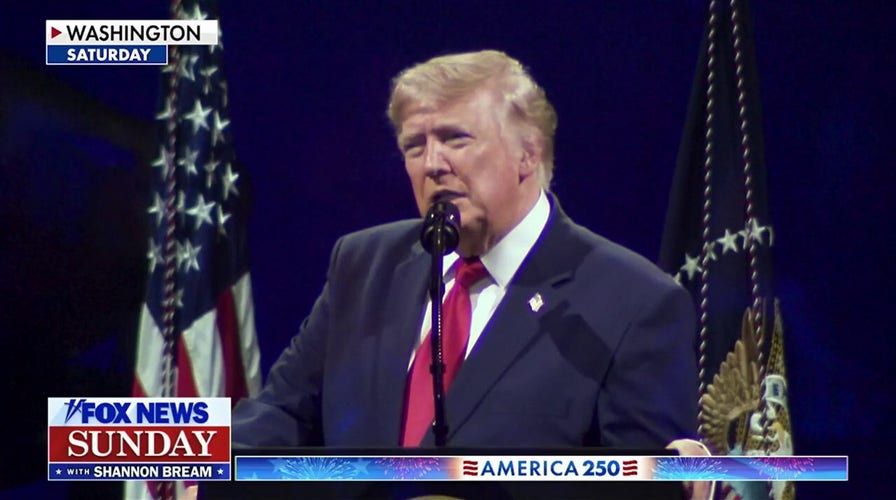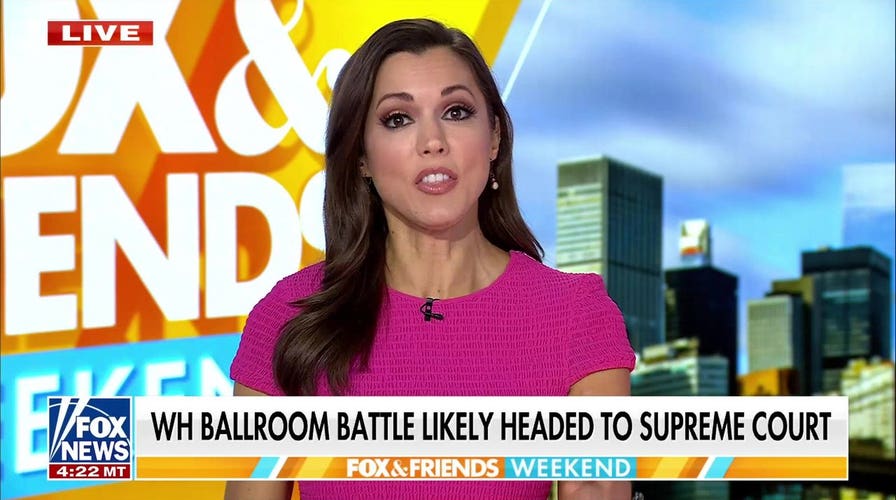
The White House ballroom project has hit a roadblock after the D.C. Circuit Court of Appeals upheld a lower court order blocking above-ground construction without Congressional approval.
President Donald Trump has vowed to take the fight to the Supreme Court, pointing to a dissenting opinion written by Judge Neomi Rao as grounds for appeal. Rao argued that the National Trust for Historic Preservation, which brought the lawsuit, lacked legal standing in the case.
The National Trust's argument centered around the aesthetic concerns of one of its members, Alison Hoagland, who lives near the White House and regularly visits President's Park. Hoagland claimed that the proposed ballroom would diminish her enjoyment of the area by overshadowing the White House and weakening its aesthetic appeal.
However, Judge Rao wrote in her dissent that the National Trust did not establish the kind of injury necessary to invoke the courts' authority to block the project. Former Justice Department attorney Abhishek Kambli agreed with Rao's reasoning, stating that the National Trust would face a difficult hurdle on standing at the Supreme Court.
Kambli noted that while Congress created the National Trust, the group still must show that its lawsuit is relevant to its interests. He also suggested that the National Trust faces a strong hurdle in proving it has standing based on aesthetic injury because it would have to prove it actually uses the space where the ballroom is being built.
If the Supreme Court takes the case, it could resolve it without deciding whether the administration had the legal authority to build the ballroom in the first place.
NTC Report coverage is based on reporting from the original publisher.
View original reporting →