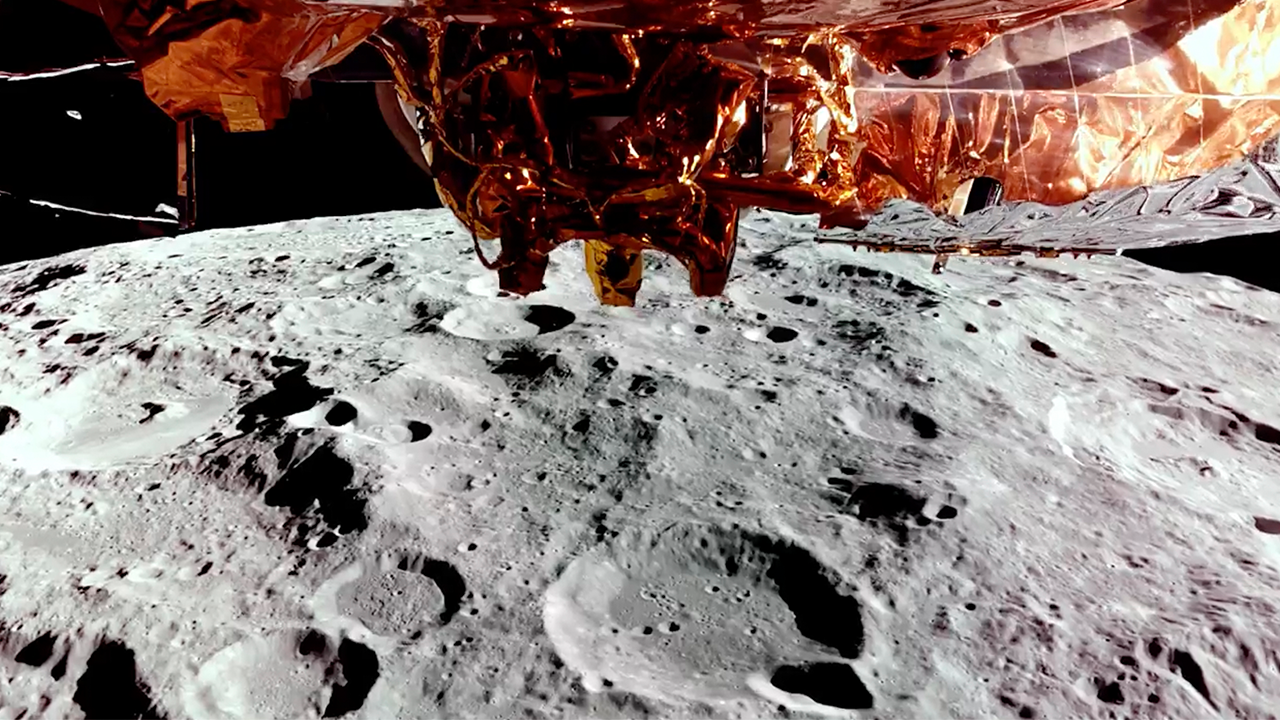
The United States has a long history of space exploration, dating back to the Apollo program. Since then, American ingenuity has continually pushed the boundaries of what is possible in space. The country's commercial space sector has played a significant role in this progress, with private companies such as Intuitive Machines and Firefly Aerospace making significant contributions to lunar exploration.
In February 2024, Intuitive Machines' Odysseus lander became the first American spacecraft to touch down on the moon in over half a century, marking a major milestone for private spaceflight. Just over a year later, Firefly Aerospace's Blue Ghost spacecraft landed on the lunar surface, delivering 10 NASA science and technology instruments and completing two weeks of operations.
These achievements demonstrate the potential of public-private partnerships in space exploration. Initiatives such as NASA's Commercial Lunar Payload Services program have helped develop a thriving commercial lunar industry, while advancing the technologies needed to return astronauts to the moon and eventually reach Mars.
However, the United States faces growing competition in space, particularly from China. As more nations recognize the economic and strategic importance of space, the country must ensure that its regulatory environment supports the growth of its commercial space industry. This includes examining outdated requirements, improving coordination across federal agencies, and fostering an environment where companies can innovate and grow.
The future of space exploration will be shaped by where companies choose to invest, develop new technologies, and build the infrastructure needed to support those missions. The United States must remain competitive in this area, and Congress has a responsibility to ensure that American space companies have the freedom to innovate and grow.
NTC Report coverage is based on reporting from the original publisher.
View original reporting →