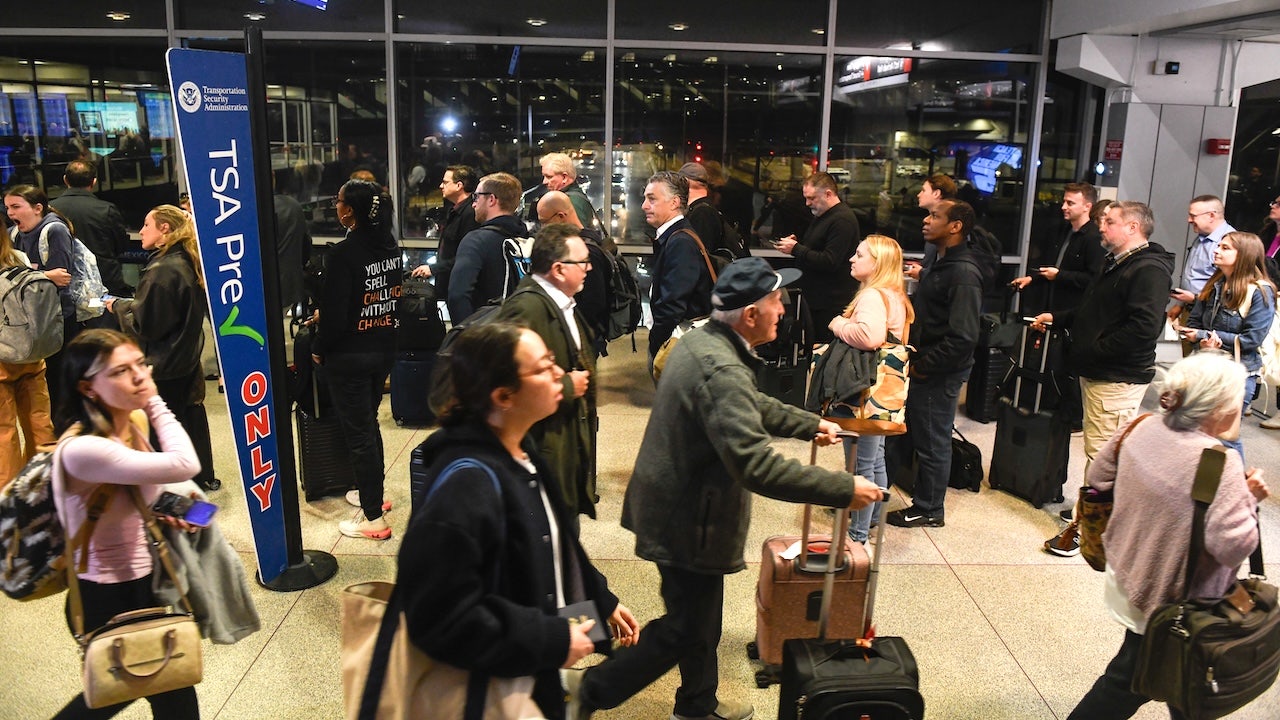
The City of Philadelphia has reported two possible measles exposures within a week, with the latest incident occurring at Philadelphia International Airport. According to the Philadelphia Department of Public Health, the exposure took place on Sunday, September 13, from 7:45 p.m. to Monday, September 14 at 12:05 a.m. in airport terminals B and F, as well as areas connecting to other terminals in C, D, and E.
The individual with measles was traveling through Philadelphia and did not leave the airport. Health officials have encouraged those who may have been exposed to check their vaccination status and monitor for symptoms. This is the second reported measles exposure in the Philadelphia area, following a case reported on September 17 at the Children's Hospital of Philadelphia.
The Pennsylvania and Philadelphia health departments, as well as the hospital, are working to ensure that potentially exposed infants receive a preventative antibody product to prevent or lessen severe disease and to prevent further spread of the virus. Health Commissioner Dr. Palak Raval-Nelson noted that the incidents are a reminder of the importance of being up to date on vaccinations.
According to health officials, measles is a highly contagious virus that can cause long-term health problems, including pneumonia and brain swelling. Nearly 20% of individuals who contract measles are hospitalized. The virus can remain infectious in the air and on surfaces for up to two hours after an infected person leaves the area.
Symptoms of measles include fever, cough, runny nose, and red, watery eyes, which can start seven to 21 days after exposure. A rash follows a few days later, starting on the head and spreading to the rest of the body.
NTC Report coverage is based on reporting from the original publisher.
View original reporting →